Part I: The Producer's Vision
By 2022, Juan Solares had spent thirty years building a respected production career in Latin American music. His studio in Santo Domingo had hosted legends; his arrangements had shaped hundreds of albums; his ear for talent was considered infallible. But success had bred restlessness. He found himself bored by the predictable—another merengue record, another salsa album, another competent but forgettable session.
What Solares wanted was collision. He had long believed that the future of Caribbean music lay not in preservation but in conversation—dialogue between traditions that had never properly met. He began keeping a list of musicians whose playing suggested they were searching for something similar.
Three names kept rising to the top.
Part II: Three Paths Converging
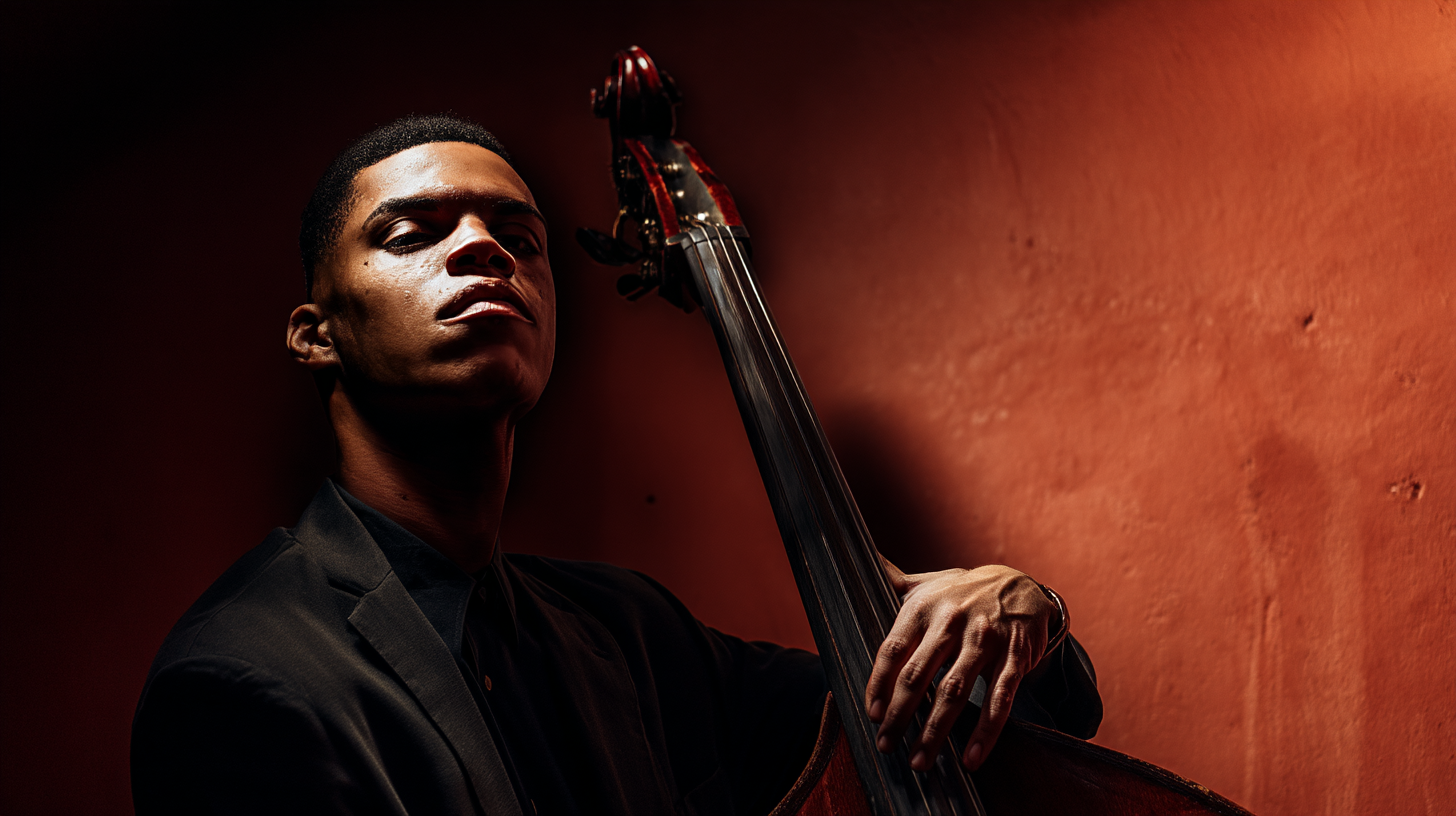
Ralph Quispe came to Solares' attention through a video that circulated among bass players: a performance at a small club in Lima where Ralph played a twenty-minute solo piece that moved from Andean huayno through Brazilian berimbau rhythms into free jazz abstraction and back. Solares watched it fifteen times. He heard an artist who had digested multiple traditions without losing his center.
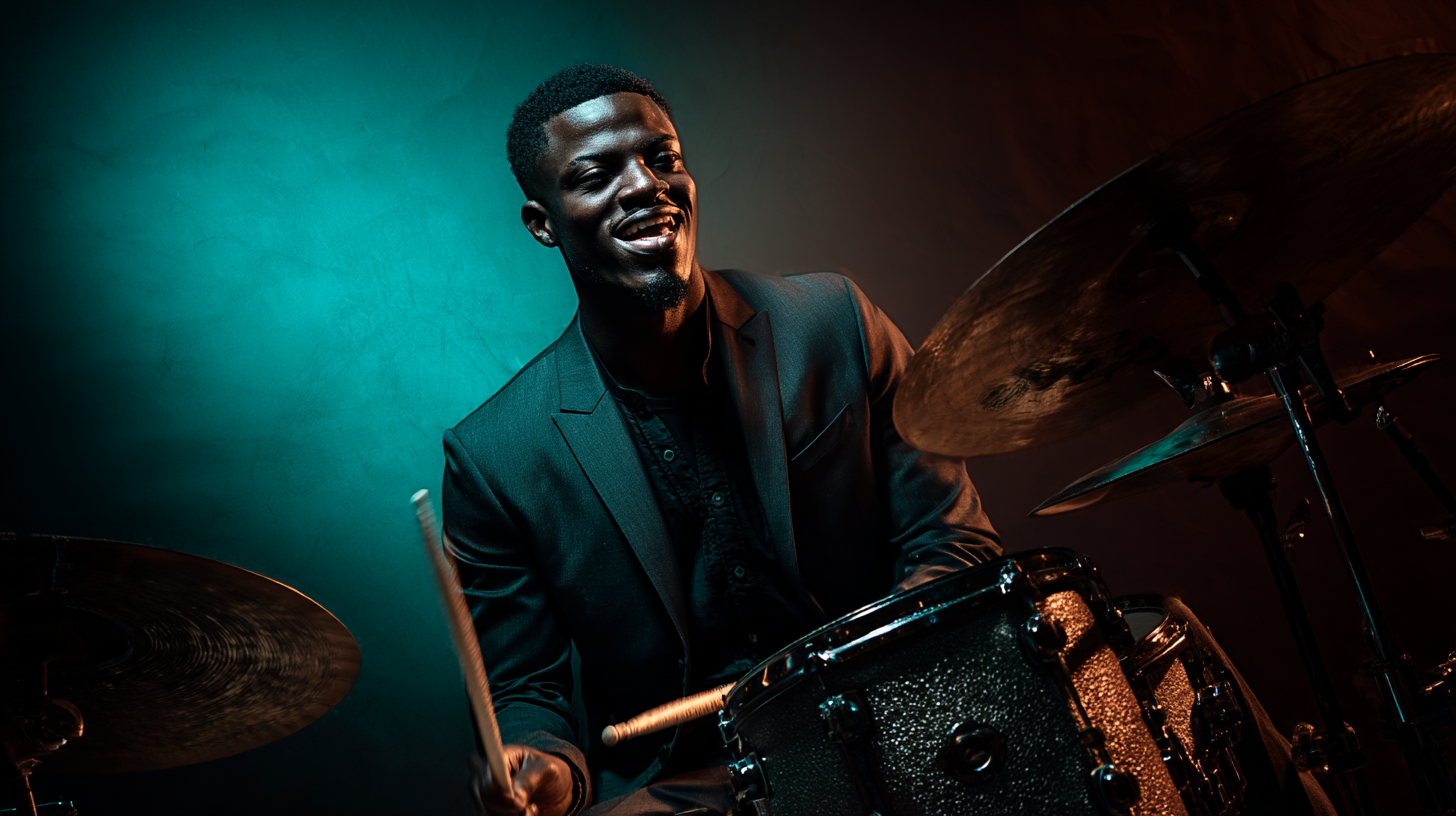
Juan Reyes was already known in Santo Domingo—hard to miss a drummer of his caliber in a city that lives and breathes rhythm. But Solares had tracked his development for years, noting how each international journey added vocabulary without diluting essence. When Reyes returned from his flamenco years in Spain with a cajón integrated into his kit, Solares thought: this one is ready.
Mariah Fontaine was the surprise. Solares heard her at the Montreal Jazz Festival in 2021, sitting in with a Haitian kompa band. A classical-trained Canadian playing Haitian dance music should have been a disaster. Instead, it was revelatory. Her touch brought something the music had never had—space, color, a kind of hymn-like gravity.
Part III: The First Session
In February 2023, Solares brought all three to his studio in Santo Domingo for what he called "a conversation without expectations." No repertoire, no arrangements, no pressure to produce anything releasable. Just three musicians in a room with good microphones and permission to explore.
The first hour was awkward. Professional courtesy, tentative musical gestures, everyone listening more than playing. Then something shifted.
Mariah began playing a simple figure—two notes, almost a question. Ralph answered with a bass line that bent the note Andean-style, adding quartertones that existed between her equal-tempered piano keys. Juan responded not with drums but with his voice—a palos chant from his childhood, wordless and ancient.
The music built for forty minutes without anyone speaking. When it finally stopped, there was silence.
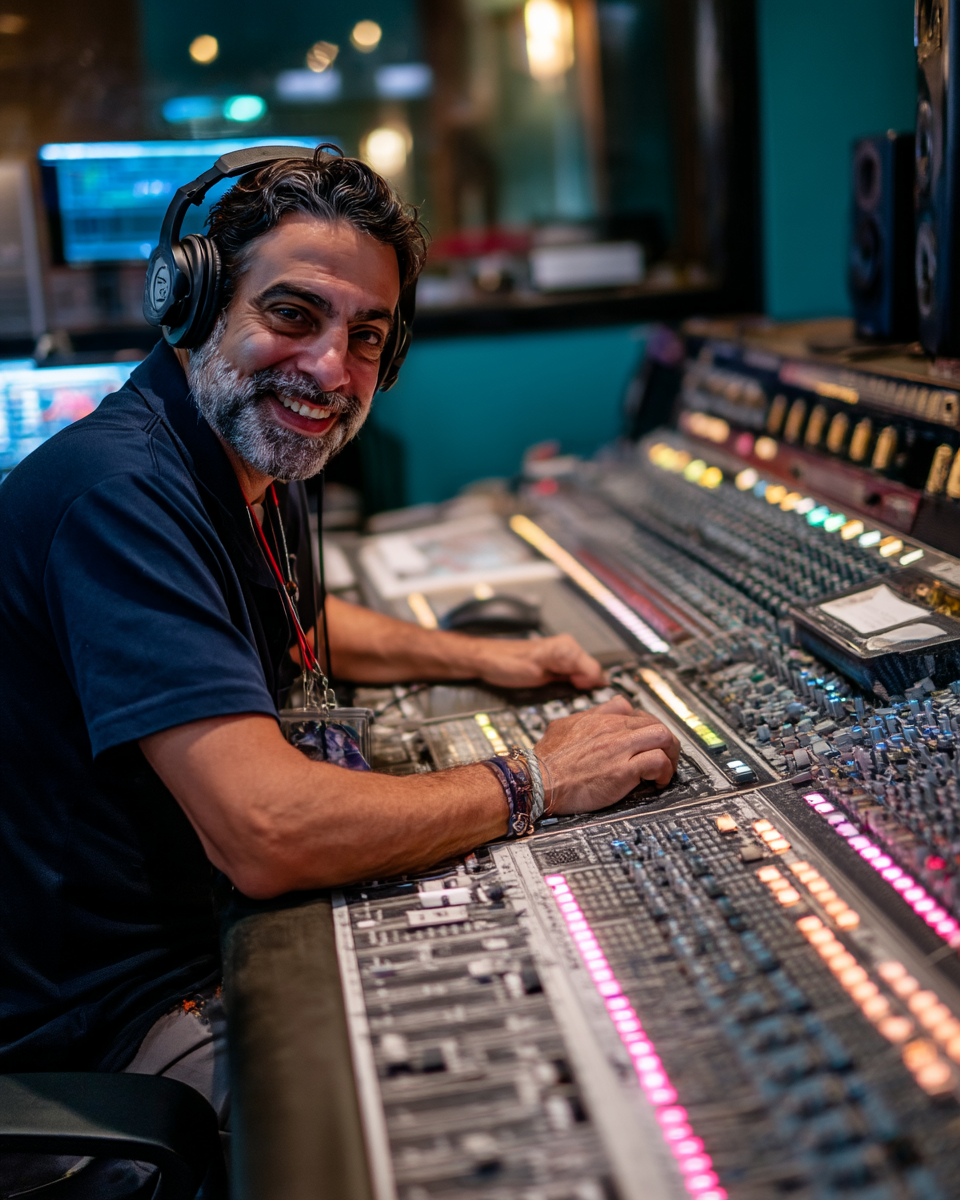
"That was the sound I've been hearing in my head for thirty years," said Juan Solares from the control room. "And I've never found it until now."
Part IV: What Connects Them
Shared Displacement: All three had left home to grow, then returned transformed. They knew the particular ache of being changed by the world while remaining rooted in origin. This became their emotional foundation: music for people who belong everywhere and nowhere.
Complementary Journeys: Their international paths had never overlapped—but they had visited adjacent worlds. Ralph's years in Bahia gave him Portuguese and African rhythmic vocabulary. Juan Reyes' time in Dakar traced the same roots from the other end. Mariah's travels connected her to the same diaspora traditions. They were three points on a triangle they hadn't known existed.
Rhythmic Consensus: Despite wildly different backgrounds, all three understood rhythm as breath. Ralph's sikuri training taught him that rhythm is communal respiration. Juan's palos tradition taught him that drums breathe with spirits. Mariah's prairie silences taught her that time itself breathes.
Part V: What Makes Them Unique
Ralph Quispe brings gravitational depth. His bass doesn't merely provide foundation—it creates the ground on which the others build. He is the earth element: dense, nourishing, essential.
Juan Reyes brings kinetic intelligence. His rhythms breathe with the unpredictability of conversation rather than the predictability of pattern. He is the fire element: energy, transformation, heat.
Mariah Fontaine brings harmonic imagination and spatial awareness. Most crucially, she brings silence—the willingness to not play, to let space speak. She is the air element: breath, space, movement.
Together, they create something none could achieve alone. The trio is a closed loop of mutual necessity—an ecosystem rather than a hierarchy.
Part VI: The Name
During a late-night session, Ralph was describing the Quechua concept of Pachamama—not merely "Mother Earth" as often translated, but the living totality of the natural world, an entity that gives and receives, that must be respected through reciprocity.
"That's what we do," said Juan Reyes. "We receive from our traditions, we give back through this music. Ayni—reciprocity."
Solares, listening from the control room, had been thinking about the AI music tools he'd begun experimenting with. "Pachamama plus AI," he said. "Pachamaima. The ancient earth mother meets the new intelligence. Roots and signals. Seeds and algorithms."
"It sounds like a name that already exists," said Ralph. "Like we discovered it rather than invented it."
"Exactly," said Solares. "That's how I know it's right."